
Flying While Disabled: Why Air Travel Can Be So Hard
Airplanes are symbols of freedom. They lift us above limits and help us see what’s possible. But for people with disabilities, that freedom doesn’t always come easy. While others walk freely through terminals, many of us rely on systems that don’t always work — and when they don’t, we’re left waiting, struggling, or forgotten.
Stories That Started the Conversation
In 2024, two travelers spoke up about being treated unfairly while flying on Delta Air Lines.
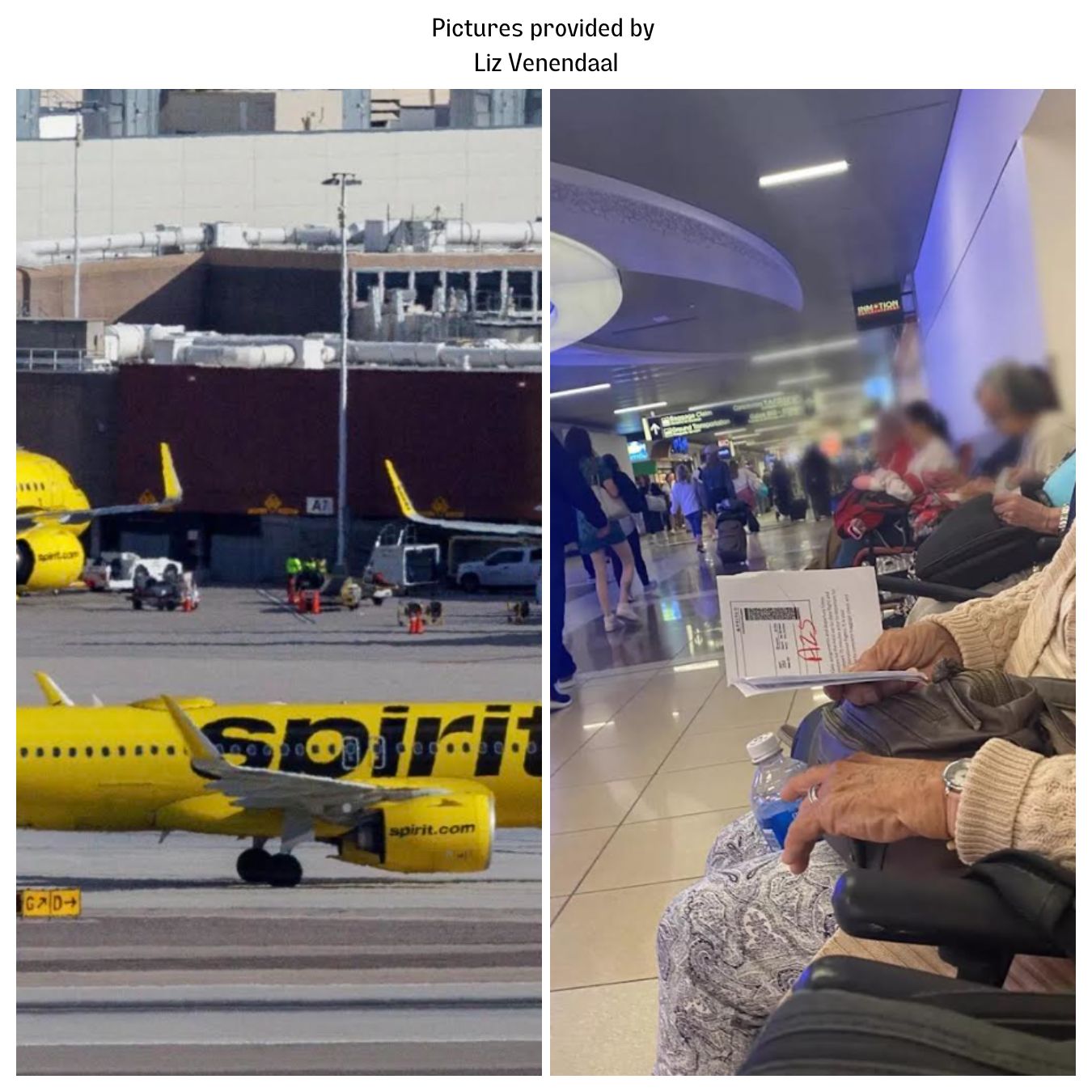
Liz Venendaal, who has Cerebral Palsy, booked help to get through the Atlanta airport. But when she landed, no one came. She waited and waited. When someone finally did push her in a wheelchair, they took her to the wrong place and then left her there. Feeling stranded and ignored, Liz eventually offered a good Samaritan $20 just to push her to her gate so she wouldn’t miss her flight. Later she said she felt “discarded — like furniture.” You can read her full story here: Liz Venendaal’s article (People.com).
That same year, Matias Ferreira, a U.S. Marine veteran who uses prosthetic legs, was told he couldn’t sit in an exit row on his Delta flight. Even though he explained that he was strong and able to help in an emergency, they made him move because of his “physical disability.”
Both Liz and Matias said the same thing — they didn’t want pity. They just wanted respect.
My Story
I also have Cerebral Palsy. When I walk long distances under tight time constraints — like making it through large airports or short layovers — that’s when I need wheelchair support to make sure I can get where I’m going safely and on time.
Last month, I flew home from Kentucky on Spirit Airlines. I had arranged for wheelchair help ahead of time, but when I landed, no one came. My friend saw a wheelchair nearby and tried to grab it so she could help me. Instead of being kind or giving directions, the airport workers yelled at her for touching it. We didn’t know where to go or who to ask.
At TSA, I had to take off my knee brace several times. It took extra time and effort each time I had to remove and put it back on.
Then, during our connecting flight in Fort Lauderdale, things got even more stressful. The gate agent said they’d come help me get to my next flight but never came back. When I told another gate agent that I was worried about making my connecting flight home to Tampa on time, their advice was shocking:
“Just stand up and push people out of the way.”
Hello — I have Cerebral Palsy. How do you think that’s going to work!?
Thankfully, my friend was there to push me to the next gate, but if I’d been traveling alone, I probably would have missed my flight completely.
Why Clear Communication Matters
Another big problem was that our gate was changed, and no one made it clear. If I hadn’t heard the announcement, my friend and I would have been stranded. She had to push me a long distance just to reach the right gate.
This is something airline agents need to do better — they should always announce updated gate reassignments clearly and more than once, especially for passengers who are waiting for wheelchair assistance or can’t move quickly on their own.
Accessibility isn’t just about having ramps and chairs — it’s about communication.
How Specialized Travel Helpers Can Make a Difference
That’s where Adventures by Jamie comes in. They’re travel experts who focus on helping people with disabilities plan safe, comfortable trips — from booking accessible hotels and transportation to preparing for surprises along the way.
When you travel through a big airport with a disability, things can go wrong — service may be delayed, equipment may fail, or staff may not know how to help. Agencies like Adventures by Jamie help travelers plan ahead so the stress is lower. They make sure your accommodations are truly accessible and help you figure out what to do if problems pop up.
What It Feels Like
When you have Cerebral Palsy, you already plan everything carefully — how far you can walk, what help you’ll need, and when to ask for it. You trust that the people at the airport will do their jobs and treat you kindly.
But when no one shows up, when you’re yelled at for asking for help, or when information isn’t shared clearly, it makes travel stressful and confusing.
We’re not asking for special treatment — just the chance to travel safely and be treated with respect.
How Things Could Be Better
Here’s what would make flying easier for everyone:
- Train airport and airline staff better. Workers should know how to help people who use wheelchairs, braces, or other mobility aids.
- Keep promises. If someone books wheelchair help, that help needs to show up — every single time.
- Communicate clearly. Agents should announce gate changes and boarding information more than once, so no one gets left behind.
- Include people with disabilities in planning. We know what works because we live it every day.
Because at the end of the day, accessibility isn’t extra. It’s essential.